The U.S. cotton supply chain is a multi-step process, starting from farming and ending with finished textiles. It faces challenges like inefficiencies in scheduling, delayed quality checks, and rising costs. Optimizing this supply chain can improve coordination, reduce waste, and enhance product quality. Here's a quick summary of the key points:
- Challenges: Delayed ginning, poor logistics, and rising environmental and regulatory pressures.
- Optimization Focus: Shared data, predictive analytics, and real-time tracking to align farming, ginning, warehousing, and transportation.
- Technology Use: Tools like precision agriculture, data analytics, and blockchain for better decision-making and traceability.
- Sustainability Matters: Efficient water use, soil health management, and compliance with regulations improve performance and meet consumer demand.
- Planning Tools: Resources like cottongins.org help streamline gin selection and logistics, reducing risks and improving efficiency.
Cotton & Coffee - S5 Ep10 - Cotton in a Global Supply Chain with Mark Messura
The Cotton Supply Chain: Farm to Fabric
The journey from a single cotton seed to a finished textile is a complex process with several interconnected stages. Each step plays a crucial role, and understanding how they work together - or where things can go wrong - can help improve efficiency and cut costs. Here's a closer look at how cotton moves from farm to fabric.
Key Stages in Cotton Production and Distribution
Farming and Harvesting is where it all begins. In the U.S., farmers typically plant cotton in the spring, with harvesting taking place from late summer to early fall. Factors like weather, soil quality, and farming techniques significantly impact yields. During harvest, machines collect the cotton along with seeds and plant debris, creating "seed cotton", which weighs more than the finished product.
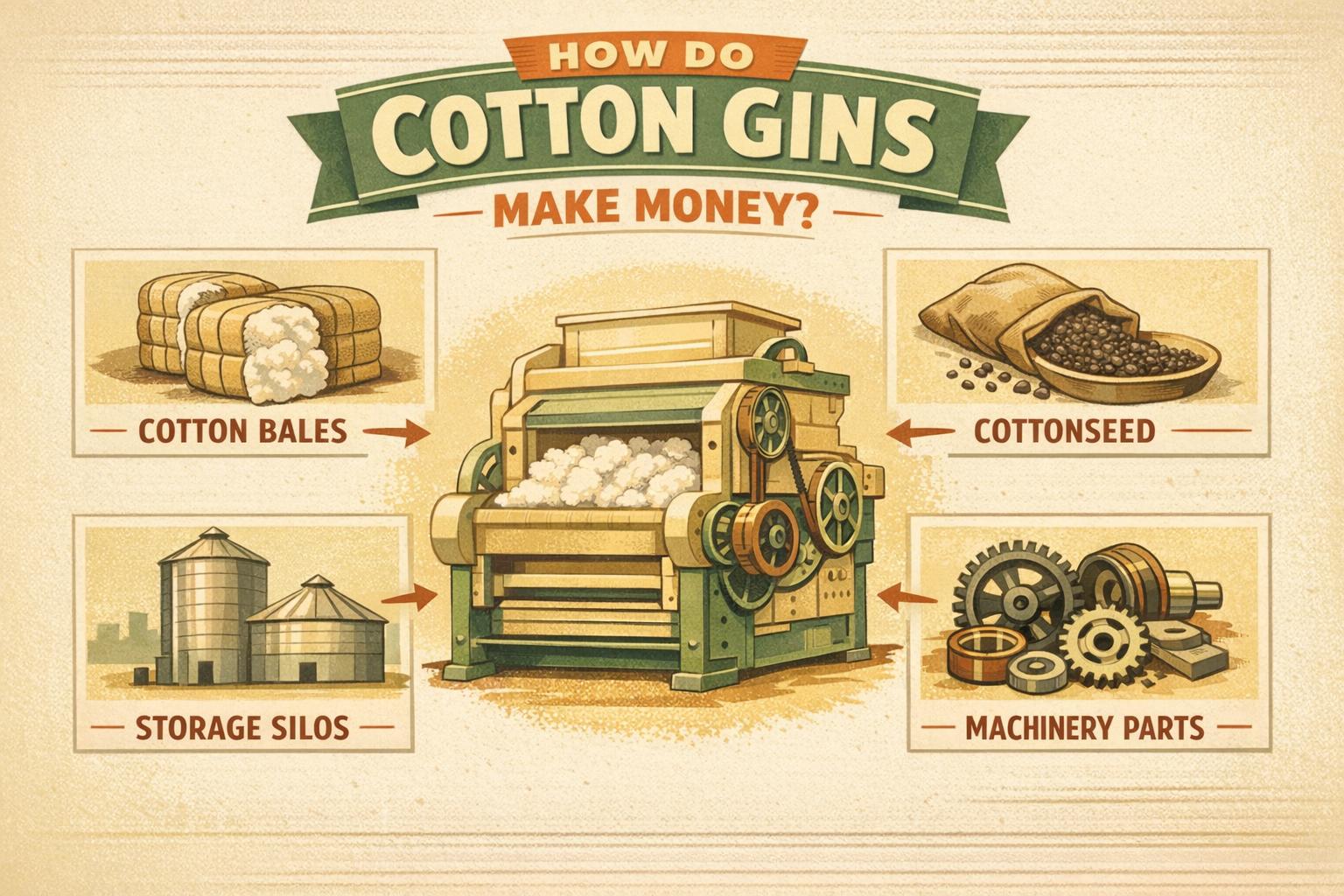
Ginning is the next step, where the cotton fiber (known as lint) is separated from seeds and cleaned of debris. This process is time-sensitive - delays in ginning can expose cotton to moisture and weather, lowering its quality. Modern gins are designed to handle large volumes efficiently and also produce cottonseed as a valuable byproduct. Quick adaptation to weather changes during harvest is critical to avoid backlogs and quality loss.
Warehousing and Classification come into play after ginning. Cotton bales are stored in warehouses, and USDA-licensed classifiers evaluate their quality. These classifications directly affect market value and help determine how the cotton will be used. Efficient inventory management is essential, especially in regions where cotton production is concentrated.
Transportation links every stage of the process. Cotton often travels long distances by truck or rail, and poor logistics can lead to higher costs and delays. Inefficient routing or scheduling can quickly erode profit margins.
Spinning and Textile Manufacturing convert raw cotton into yarn and fabric. Spinning mills select cotton based on specific quality parameters to match their production needs. Mills creating high-end textiles require fibers that are strong and consistently colored, while others may use lower-grade cotton. To keep operations running smoothly, mills maintain raw cotton inventories and rely on clear supply chain visibility to balance supply with production demands.
Distribution to End Users is the final step. Finished textiles are delivered to manufacturers of clothing, home goods, or industrial products. At this stage, traceability has become increasingly important. Consumers and brands now demand transparency about where fibers come from, how they were grown, and the labor conditions involved in production.
How Inefficiencies Affect Costs and Quality
Problems at any point in the supply chain can ripple through the entire process, impacting both costs and quality. For example, delays between harvesting and ginning expose cotton to bad weather, which can degrade its fibers and reduce its market value. Backlogs at gins can delay payments to farmers and disrupt production schedules for buyers. Poor storage conditions, like inadequate climate control, can lead to moisture absorption or mold growth, further reducing quality. On top of that, inefficient warehouse management and transportation issues add labor costs, tie up resources, and risk missing important shipping deadlines. Over time, these inefficiencies drive up expenses and damage reputations, pushing trading partners to seek more dependable suppliers in a highly competitive global market. Streamlining operations at every stage is essential to improving the overall performance of the cotton supply chain.
Improving Farm and Gin Operations
Streamlining farm and gin practices is essential for ensuring efficiency across the supply chain. These early stages play a critical role in determining the quality, cost, and delivery of cotton. Any delays or inefficiencies here can ripple through the entire supply chain. By refining these processes, farms and gins can set a strong foundation for the advanced logistics and tracking systems that come into play later.
Better Cotton Farming Methods
Timing the harvest correctly is key to preserving fiber quality. Farmers should carefully assess moisture levels and weather conditions to avoid fiber degradation. Many in the U.S. rely on moisture measurement tools in the field to pinpoint the best time to pick cotton, ensuring higher-quality output.
Contamination control starts at the source. Regularly inspecting fields, maintaining harvest equipment, and securing transport systems can significantly reduce the risk of foreign materials mixing with the cotton. Pre-harvest practices like defoliation also play an important role in keeping fibers clean and intact.
Clear communication between farmers and gin operators is another critical step. Sharing delivery schedules and expected volumes allows both sides to align staffing and maintenance plans, keeping operations seamless and efficient.
Making Gin Operations More Efficient
While quality begins in the field, it’s sustained through efficient ginning. Regular maintenance of equipment, including sensor calibration and inspections, ensures machines run smoothly and maintain fiber integrity.
Striking the right balance between throughput and quality is crucial. Gin operators need to adjust processing speeds based on the condition of the cotton, ensuring the machinery handles the fibers gently while still meeting production demands.
Systematic quality checks are a must. Efficiently managing storage areas - such as processing older loads first - helps prevent moisture buildup and fiber degradation.
Investing in skilled staff and ongoing training is equally important. Experienced operators can quickly spot performance issues, reducing downtime and keeping operations on track.
Data analysis is a game-changer for modern gin management. By monitoring key metrics like processing rates and equipment downtime, facilities can identify patterns and plan for peak harvest periods proactively, maintaining quality without sacrificing efficiency.
Technology Tools for Supply Chain Improvement
With advancements in digital tools, every stage of the supply chain now benefits from actionable insights, revolutionizing how U.S. cotton businesses operate. These tools enhance visibility across production and distribution, helping to cut costs, reduce waste, and speed up response times. By connecting the dots from the cotton field to the final product, these technologies integrate seamlessly with the improved farming and ginning practices already in place.
Using Data to Make Better Decisions
Data analytics has become a cornerstone of efficient cotton supply chain management. Tools like Precision Agriculture (PA), Site-Specific Crop Management (SSCM), and remote sensing technologies, including Unmanned Aerial Vehicles (UAVs), leverage sensors to provide real-time insights into field conditions. Farmers can monitor crop health, spot pest issues early, and adjust water, fertilizer, and pesticide usage based on actual needs. This targeted approach not only conserves resources but also increases yields, lowers environmental impact, and trims operational costs.
The data collected feeds into decision-making software that forecasts demand and optimizes production schedules. For example, platforms like Cotton Incorporated's USCROP™ provide High Volume Instrument (HVI) property data for USDA-classed cotton, allowing buyers to compare quality across crop years with ease.
Automation has also brought significant improvements to cotton ginning. Modern gin facilities now use data monitoring systems to track processing rates, equipment downtime, and fiber quality. This real-time data helps operators pinpoint bottlenecks, schedule maintenance proactively, and fine-tune processing to maintain quality while meeting production goals.
The U.S. Cotton Trust Protocol's 2021-2022 annual report highlights that grower members achieved a 13% improvement in land use efficiency compared to the 2015 baseline.
In addition to aiding decisions, these tools enhance transparency and accountability across the supply chain.
Real-Time Tracking and Traceability Systems
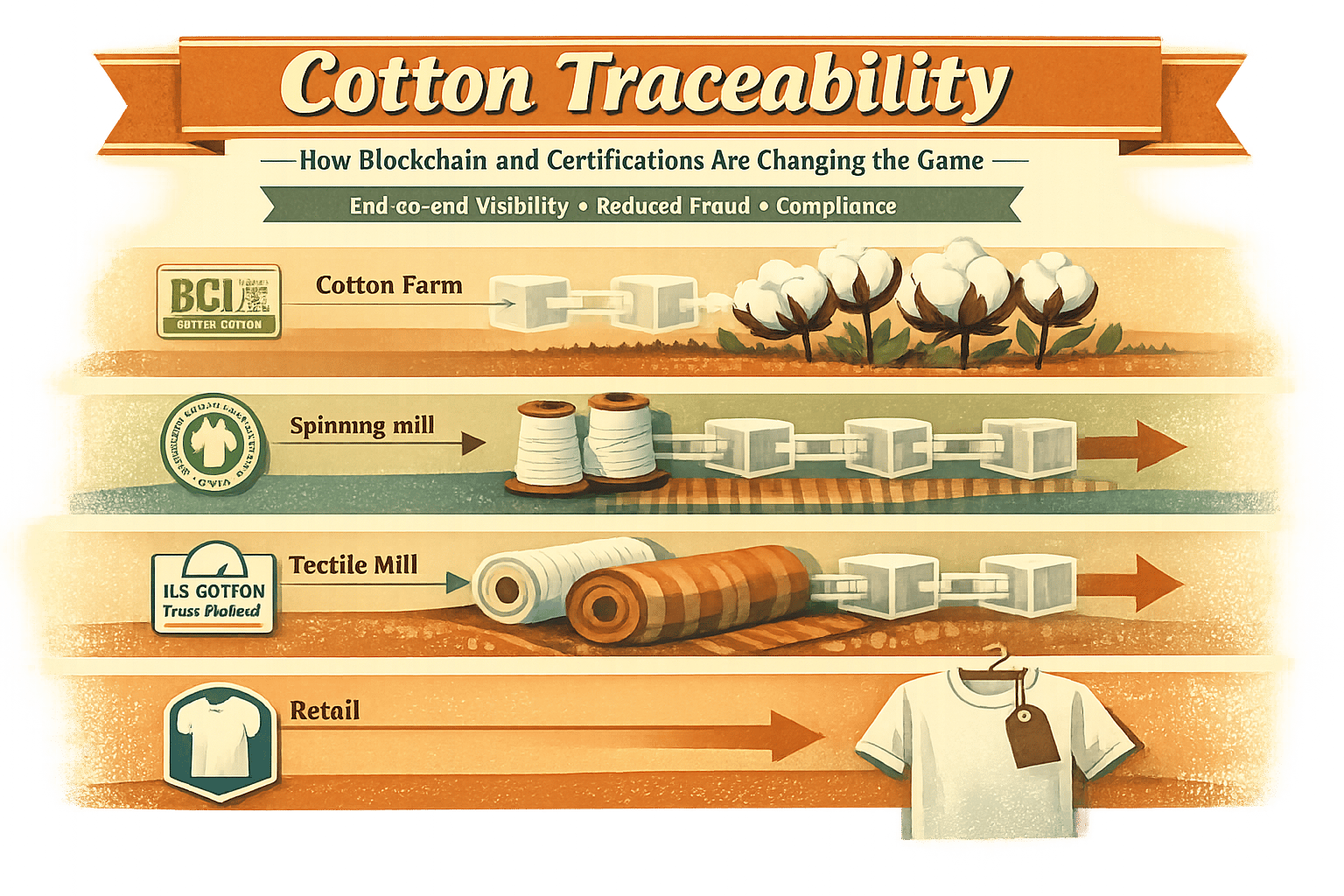
Real-time tracking systems bring much-needed transparency to the cotton supply chain, covering production, processing, and delivery stages. These systems provide visibility as cotton moves through the supply chain, helping verify product authenticity and streamline inventory management.
The U.S. Cotton Trust Protocol's Protocol Consumption Management Solution (PCMS) takes traceability to the next level by offering article-level tracking from the cotton’s origin to the finished product. This platform enables brands and retailers to confirm that their cotton meets specific ethical and sustainability standards, addressing the growing demand for responsible sourcing.
Blockchain technology is also gaining traction in cotton supply chain management. By creating a secure, unchangeable ledger of transactions and movements, blockchain ensures data accuracy and compliance with ethical and environmental standards, while also simplifying documentation processes.
sbb-itb-0e617ca
Sustainability, Risk Management, and Compliance
The cotton industry is under increasing pressure to operate responsibly while navigating a maze of regulations. Today, supply chain strategies must go beyond cost-cutting to include environmental care, ethical labor standards, and strict adherence to laws. These factors directly influence market access, brand reputation, and profitability. As regulations evolve, businesses must quickly shift toward sustainable and compliant practices to remain competitive.
Meeting U.S. Compliance Requirements
Cotton businesses in the U.S. face a multi-layered regulatory framework that touches on labor, environmental practices, and product traceability. These rules emphasize responsible sourcing and require thorough documentation of a product's origin. Environmental regulations focus on managing pesticide use and protecting water quality. On a state level, additional mandates may govern water usage, soil conservation, and chemical handling. Marketing claims like "sustainable" or "responsibly sourced" must be backed by verifiable proof to meet compliance standards. Labor laws also play a key role, ensuring ethical practices are upheld throughout the supply chain.
How Sustainability Improves Business Performance
Adopting sustainable practices does more than keep businesses compliant - it delivers tangible benefits. For instance, advanced irrigation and monitoring technologies improve water efficiency and reduce resource consumption. Sustainable soil management not only cuts reliance on chemical inputs but also maintains consistent yields and fiber quality.
Consumer demand is shifting toward cotton that is produced with clear, sustainable practices. Energy-efficient upgrades at ginning facilities can lower operational costs while reducing environmental impacts, aligning operations with broader sustainability goals.
Sustainability also helps businesses manage risks tied to regulatory changes and unpredictable weather. As consumers increasingly prioritize environmentally responsible products, companies that document their sustainability efforts can build stronger brand loyalty and tap into new market opportunities. Some insurers even reward conservation efforts with lower premiums.
Additionally, prioritizing sustainability and ethical labor practices can improve workforce recruitment and retention. A stable and motivated workforce contributes to smoother operations across the supply chain. These practices not only ensure compliance but also enhance overall efficiency, complementing broader supply chain optimization efforts.
How cottongins.org Supports Supply Chain Efficiency

A centralized resource can eliminate outdated contacts and guesswork, making decision-making faster and coordination smoother. That’s exactly what cottongins.org offers - a detailed directory of cotton gin facilities across the United States. This tool helps businesses make quicker, better-informed decisions about their processing networks.
Covering 17 major cotton-producing states, the platform serves as a one-stop resource for locating and contacting gins. By streamlining this process, it saves valuable time during critical planning periods. This efficiency not only cuts costs but also improves service reliability throughout the harvest season.
Finding Gin Facilities with cottongins.org
The directory’s state-by-state format makes it easy to pinpoint gin facilities in specific areas. For instance, a grower in Texas can use the tool to locate gins within a 60-mile radius and prioritize those near major highways, reducing both fuel expenses and driver hours.
This location-focused search is especially useful for pre-season planning. Growers and co-ops can assess regional processing capacity well ahead of harvest. For example, a co-op might identify multiple gins across nearby counties and pre-allocate cotton volumes based on each facility’s capacity. This proactive approach minimizes peak-season bottlenecks and reduces the need for last-minute freight solutions.
The directory also supports building diversified gin networks. Instead of depending on a single facility, merchants sourcing sustainable cotton can use the directory to cross-check listings with sustainability or compliance programs. This approach creates a more traceable and diversified network, reducing risks tied to over-reliance on one facility and helping to manage regulatory challenges.
But this tool isn’t just about finding locations. It’s a strategic asset for supply chain planning. Experts recommend using cottongins.org during pre-season meetings to secure both primary and backup gins. By combining directory insights with internal freight and service data, businesses can choose the best partners for their needs. This preparation helps companies quickly adapt to challenges such as weather disruptions, labor shortages, or new regulations by keeping alternative processing options visible.
The platform also stays up-to-date through its "Submit A Gin" feature, which allows users to add new facilities or update existing ones. This ensures the directory remains a year-round resource, not just a seasonal tool.
Additionally, cottongins.org offers more than just facility searches - it provides opportunities to enhance market visibility through targeted sponsorships.
Sponsorship Options for Business Visibility
Beyond helping users find facilities, cottongins.org offers sponsorship opportunities that boost visibility for equipment suppliers, logistics providers, and other service companies supporting the cotton supply chain. These placements connect businesses with potential partners and customers during critical decision-making moments.
Sponsorship options include:
- Sponsored Posts: $200 each, including social media promotion and permanent archive placement.
- Official Sponsorship: $200 per month, featuring logo and backlink placement plus one free Sponsored Post.
- Featured Sponsorship: $400 per month, offering top placement and two free Sponsored Posts.
These sponsorships deliver practical benefits. For example, a gin that connects with a local maintenance provider through a sponsored listing can minimize downtime during peak processing times. Likewise, a logistics company using a Featured Sponsorship can secure contracts with multiple gins, leading to more consistent lane density and fewer empty miles - ultimately lowering freight costs per bale.
By increasing visibility and fostering regional connections, these sponsorships make the entire supply chain more agile. When gins, haulers, and service providers can easily find each other, the network becomes more responsive and competitive.
For businesses considering sponsorships, the key is to view them as strategic investments rather than simple advertising. Highlighting specific capabilities - such as advanced ginning equipment, sustainable transport solutions, or compliance services - positions companies as problem-solvers for their target audience’s most pressing needs.
In combining its directory with sponsorship opportunities, cottongins.org becomes more than a search tool. It serves as vital infrastructure for building resilient cotton supply networks. By making gin locations and specialized services more accessible, the platform helps businesses diversify their processing options, reduce risks tied to single points of failure, and respond swiftly to disruptions - whether from weather, labor shortages, or regulatory changes. This integration of facility searches and sponsorships strengthens the cotton supply chain, ensuring it remains efficient and adaptable.
Conclusion and Key Takeaways
Streamlining the cotton supply chain isn’t just about cutting costs - it’s about creating operations that are resilient, transparent, and aligned with evolving market demands. The strategies shared here tackle some of the industry's toughest challenges, from limited visibility and rising costs to the growing need for environmental accountability. Together, they pave the way for stronger collaboration and more efficient systems.
Collaboration is the cornerstone of success. When farmers, ginners, shippers, and brands work together - sharing data and aligning plans - the entire supply chain becomes more agile. This teamwork helps reduce delays during peak harvest times and enables quicker responses to challenges like bad weather or labor shortages.
Technology and traceability are game-changers. Tools like the U.S. Cotton Trust Protocol offer detailed environmental data and ensure traceability throughout the supply chain. This level of transparency not only meets compliance standards but also gives businesses a competitive edge as buyers increasingly seek proof of sustainable and ethical sourcing.
Sustainability isn’t just ethical - it’s smart business. Adopting sustainable practices can lower resource costs and position growers and processors as top choices for brands prioritizing environmental, social, and governance goals.
Planning tools make optimization achievable. Centralized resources help secure diverse processing options and reduce risks from disruptions like weather events, equipment breakdowns, or regulatory changes. These tools provide a clear path for taking action and staying prepared for the unexpected.
Here are three practical steps to get started:
- Establish strong traceability standards, such as the U.S. Cotton Trust Protocol or Regenerative Cotton Standard, to showcase environmental performance and maintain a reliable chain-of-custody.
- Invest in digital platforms for real-time tracking and monitoring to reduce manual errors and simplify audits.
- Use resources like cottongins.org during pre-season planning to identify primary and backup processing options, integrating this data with internal logistics and service plans.
The cotton industry is evolving toward a model where transparency, efficiency, and sustainability are part of everyday operations. Companies that adopt these strategies will be better equipped to meet buyer expectations, manage risks, and stay profitable in a changing market. The tools and methods are already available - the next step is to start using them. By embracing these solutions, businesses can keep pace with the industry's shift toward greater accountability and operational excellence.
FAQs
How do predictive analytics and real-time tracking enhance the cotton supply chain?
Predictive analytics and real-time tracking have transformed how the cotton supply chain operates. By offering smarter demand forecasting, these tools help businesses predict market trends, fine-tune production schedules, and keep inventory at just the right levels. This means less waste and better alignment with customer needs.
Meanwhile, real-time tracking enhances traceability and keeps the entire process transparent. Stakeholders can monitor shipments in real-time, quickly spot any bottlenecks, and address disruptions as they arise. When combined, these technologies streamline operations and build a supply chain that's not only more efficient but also more adaptable, cutting costs while aligning with sustainability efforts.
What are the main advantages of using blockchain technology for improving traceability and compliance in the cotton supply chain?
Blockchain technology brings a host of advantages to the cotton supply chain, particularly in areas like traceability, transparency, and compliance. By creating a secure, unchangeable record of transactions, it allows for seamless tracking of cotton as it moves from farms to finished goods.
Using blockchain, stakeholders can confirm the source of cotton, follow its journey in real-time, and ensure it meets sustainability and regulatory requirements. This approach not only boosts consumer confidence but also helps businesses address the increasing demand for ethical sourcing and accountability in environmental practices.
How do sustainable practices in cotton farming and ginning improve business performance and competitiveness?
Adopting sustainable practices in cotton farming and ginning can bring meaningful benefits to businesses, both operationally and in the marketplace. By cutting down on resource consumption - like water and energy - companies can reduce costs while also addressing the environmental challenges tied to the industry. At the same time, these efforts align with the increasing consumer preference for eco-friendly products.
Beyond cost savings, sustainability helps build stronger relationships with customers and business partners by emphasizing transparency and ethical labor practices. Companies that make these values a priority often find it easier to meet regulatory requirements, attract buyers who care about the environment, and stand out in a competitive market.