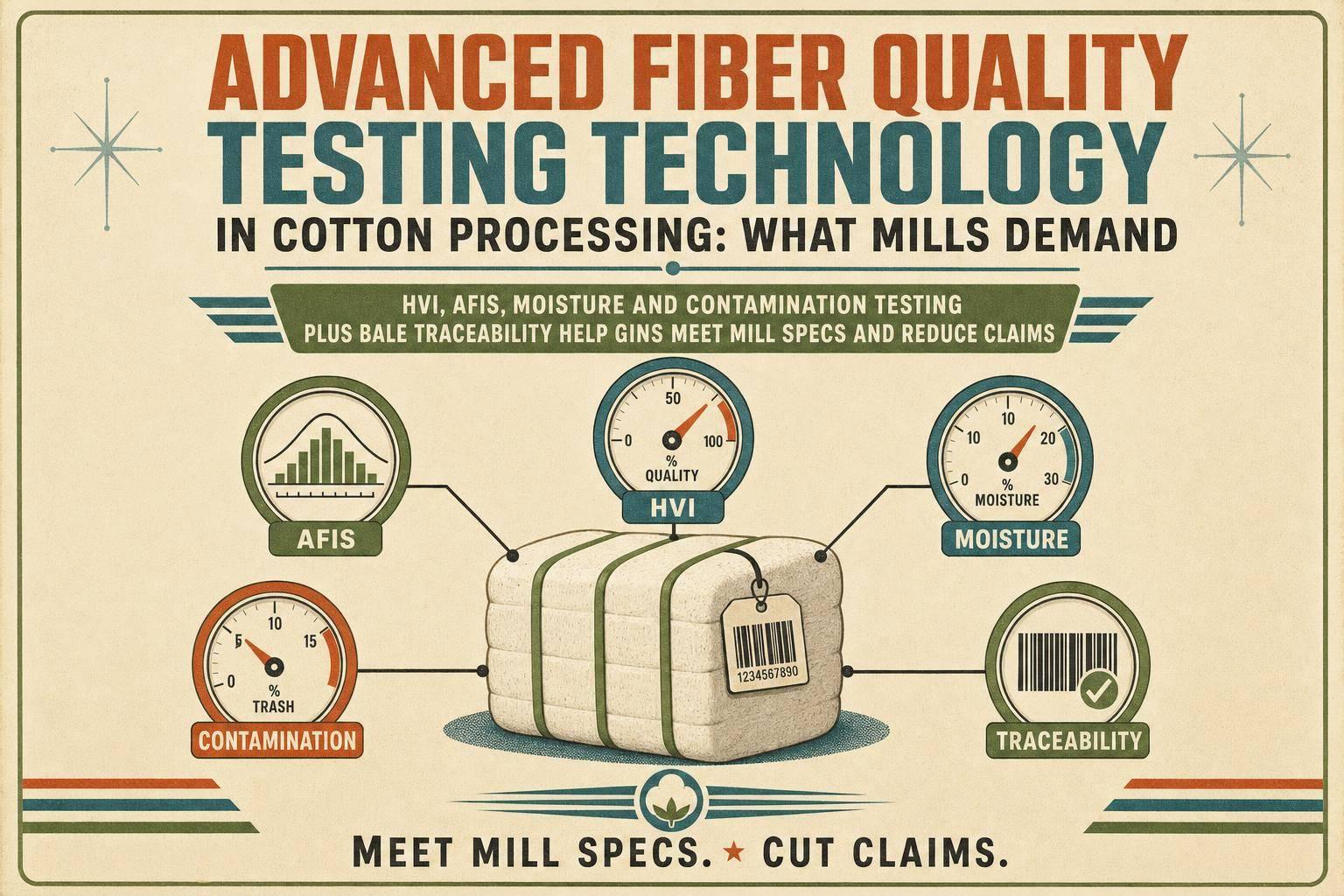
- Traceability Tools: Platforms like the U.S. Cotton Trust Protocol and blockchain solutions track cotton from farm to product, ensuring transparency and quality.
- Resource Platforms: Websites like cottongins.org provide a directory of U.S. cotton gins, enhancing networking and operational planning.
- Design Integration: Cotton Incorporated’s partnership with Adobe offers digital fabric libraries for virtual prototyping, cutting down on waste and production time.
- Collaboration Hubs: DigitX Innovation Hub connects professionals through webinars, training, and forums to adopt new technologies.
- Blockchain: Tools like TraceBale enable brands to verify sourcing and improve supply chain visibility with real-time data.
Quick Overview
| Platform | Focus Area | Key Benefit |
|---|---|---|
| cottongins.org | Gin directory | Locate gins and connect with partners |
| U.S. Cotton Trust Protocol | Traceability & sustainability | Track cotton supply chain and metrics |
| CottonWorks | Design resources | Digital fabric tools for product design |
| DigitX Innovation Hub | Collaboration & training | Networking and adopting new technologies |
| Blockchain Solutions | Supply chain tracking | Real-time verification and transparency |
These tools are reshaping how the cotton industry operates, making processes more efficient and transparent. Start by identifying your needs - whether it’s locating gins, improving traceability, or adopting digital design tools - and leverage the platform that aligns with your goals.
Digitalizing the Textile Value Chain Accelerating Sustainability and Innovation through Digitalized
cottongins.org: U.S. Cotton Gin Directory
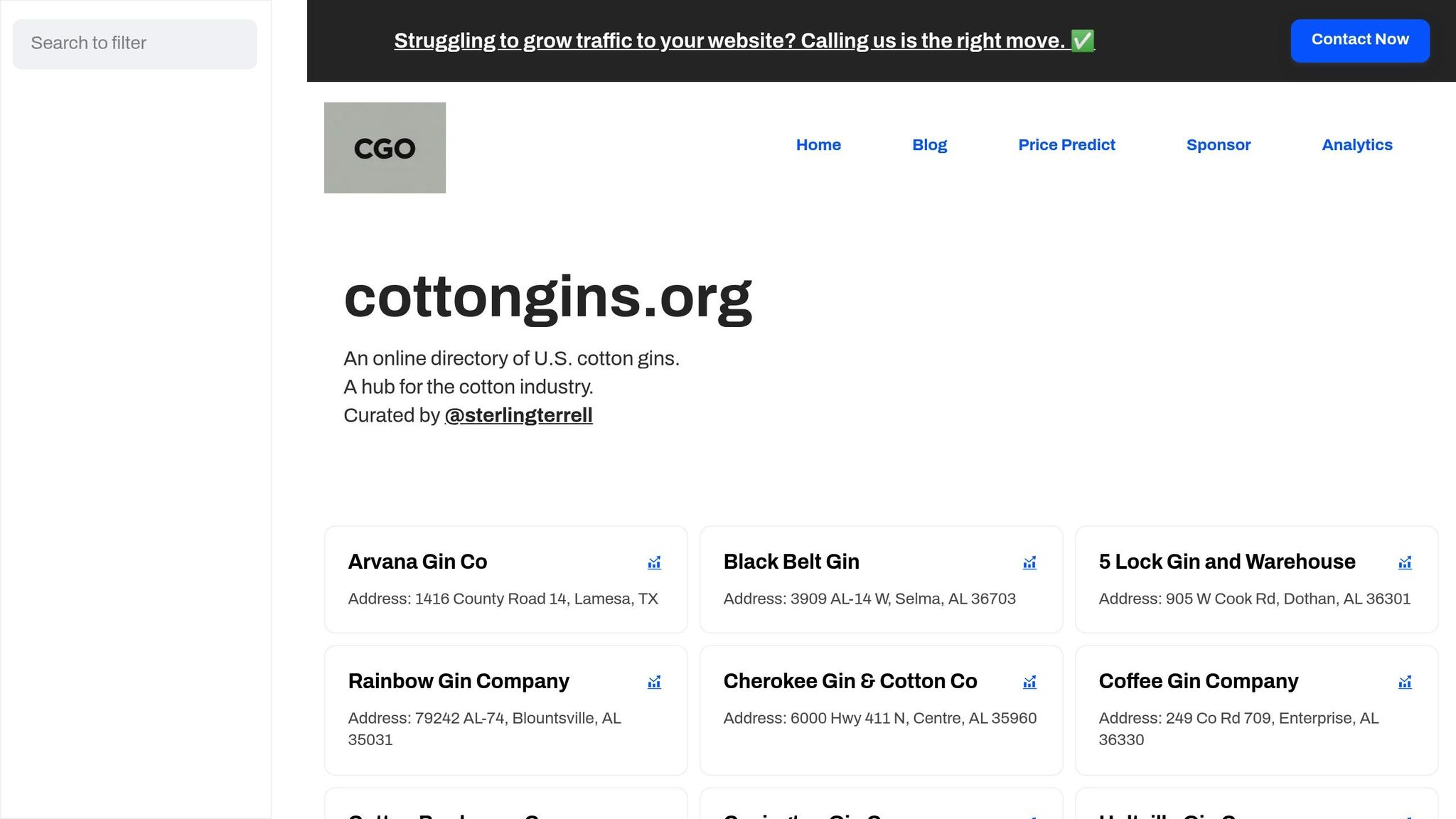
cottongins.org is an online resource designed to help users locate cotton gins across the United States. It plays a vital role in the cotton industry by offering accurate, up-to-date information on gin locations. Covering 15 states, including key cotton-producing regions like Texas, Georgia, Alabama, Arkansas, and Mississippi, this directory supports growers, buyers, and service providers in navigating the supply chain efficiently.
Each listing features precise address details, making it easier for industry professionals to find nearby gins.
Key Features of cottongins.org
The platform offers a searchable directory that allows users to filter gins by state and county, providing quick access to contact details. The "Cotton Gins Near Me" feature simplifies geographic searches, ensuring users can efficiently explore regional options.
One of its standout tools is the submission system for adding new gin entries. This feature enables users to update or include new facilities, ensuring the directory remains accurate and comprehensive. By submitting detailed information, users contribute to maintaining a reliable resource for the entire industry.
Additionally, a mailing list subscription keeps users informed about new listings and developments in the cotton sector.
Sponsorship Opportunities
Beyond its directory services, cottongins.org offers sponsorship plans to boost visibility and strengthen connections within the cotton industry. There are three sponsorship tiers, each tailored to enhance brand exposure and networking opportunities:
| Plan Name | Price | Key Benefits |
|---|---|---|
| Sponsored Post | $200 per post | Top placement for one day, social media sharing, and permanent archive placement |
| Official Sponsor | $200 per month | Footer logo placement, dedicated sponsor page listing, and one free sponsored post annually |
| Featured Sponsor | $400 per month | Premium top placement, footer logo, and two free sponsored posts annually |
- Sponsored Posts provide immediate exposure with prominent placement, social media promotion, and permanent archive inclusion.
- Official Sponsorships offer continuous visibility through footer logo placement, a dedicated sponsor page, and an annual sponsored post.
- Featured Sponsorships deliver maximum exposure with premium placement and two annual sponsored posts.
How to Use cottongins.org
The platform is designed for ease of use, helping users quickly locate gins by browsing state or county listings. This makes it an excellent tool for identifying potential partners, customers, or service providers.
Each listing includes essential contact details, enabling direct communication for business collaborations. Adding a new gin entry is straightforward and ensures your facility gains visibility within the industry. Submissions are reviewed to maintain data quality and accuracy.
Businesses can also use sponsored posts to promote new products, services, or seasonal updates. For example, equipment suppliers often announce product launches, while logistics companies highlight their capacity during peak seasons. Regular updates and strategic sponsorships not only enhance credibility but also help businesses connect with key decision-makers in the cotton ginning industry.
Digital Platforms for Cotton Industry
The cotton industry is experiencing a shift thanks to specialized digital platforms that enhance collaboration, streamline design processes, and improve supply chain management. These tools tackle challenges like product development, environmental tracking, and knowledge exchange within the cotton value chain. Let’s take a closer look at two standout platforms driving these advancements.
Cotton Incorporated Digital Tools
Cotton Incorporated has teamed up with Adobe to revolutionize design and product development in the cotton sector. Their joint effort focuses on Adobe Substance 3D, a tool that provides designers with a digital library of cotton fabrics for virtual prototyping and material simulation.
This platform offers a free collection of digital cotton fabrics that integrates effortlessly with popular 3D design software. Designers can create realistic virtual samples that mirror physical products, cutting down on the need for multiple physical prototypes. Features like detailed material specifications and compatibility with existing design tools make it easier to share designs directly with mills and suppliers. This not only accelerates the [design-to-production process](https://cottongins.org/blog/top 5 tools-for-automated-cotton-gin-reporting/) but also strengthens collaboration between designers and manufacturers.
By reducing the reliance on physical samples, companies can minimize waste, shorten production timelines, and experiment with various cotton types and treatments without the environmental costs of creating multiple prototypes. Alongside tools like Adobe Substance 3D, platforms such as the DigitX Innovation Hub are further driving digital transformation across the industry.
DigitX Innovation Hub
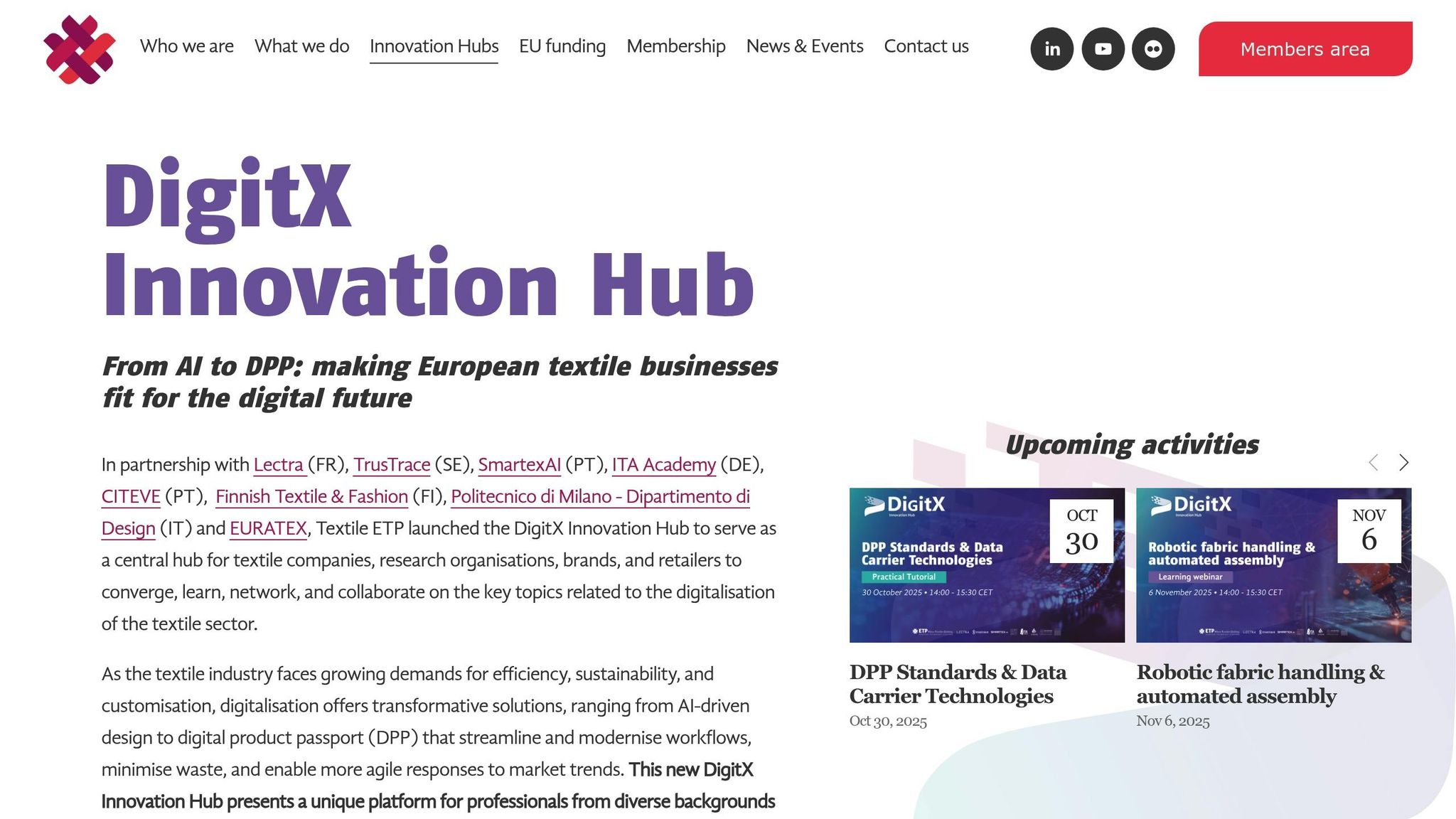
While Adobe-powered tools focus on design, the DigitX Innovation Hub takes a broader approach to innovation in the cotton industry. This platform serves as a central hub for digital transformation, connecting industry professionals through webinars, expert forums, and collaborative project spaces. It encourages knowledge sharing and helps businesses adopt new technologies to stay competitive in a tech-driven market.
DigitX also provides training, best practices, and networking opportunities, making it particularly useful for smaller businesses that may lack in-house expertise in digital tools. One notable initiative tied to this platform is the U.S. Cotton Trust Protocol. Launched in 2020 and integrated with TextileGenesis™, this program uses digital tokens to represent physical cotton and track sustainability metrics. With over 300 industry members, the protocol is included in the Textile Exchange's list of 36 preferred fibers and materials, connecting it to more than 170 brands and retailers.
The integration of the Trust Protocol with DigitX’s collaborative tools enhances supply chain transparency and strengthens partnerships across the industry. For U.S.-based cotton businesses, platforms like these provide practical ways to boost collaboration and remain competitive. Companies can start by assessing their current workflows and identifying areas where digital tools can deliver the most impact, whether in design, production tracking, or improving supply chain transparency. Investing in cloud-based solutions, staff training, and leveraging established networks are key steps toward embracing these advancements successfully.
sbb-itb-0e617ca
Blockchain for Supply Chain Tracking
Blockchain technology is reshaping how the cotton supply chain operates by creating a secure, unchangeable digital record of every transaction. This innovation addresses long-standing challenges in transparency and verification.
Blockchain's Role in the Cotton Industry
The cotton supply chain has traditionally faced hurdles like limited transparency, difficulties in verifying product origins, and challenges in proving ethical or sustainable sourcing. Blockchain directly addresses these problems by introducing a shared, tamper-proof digital ledger that tracks every step of cotton’s journey - from farm to finished product.
One of blockchain's standout features is its ability to provide verifiable product information. When a brand claims its cotton is sustainably sourced, both customers and regulators can confirm this through the blockchain. This level of trust wasn’t possible with older systems.
Another major advantage is real-time monitoring of quality and processes. Blockchain records production events as they occur, allowing businesses to spot issues early and prevent quality problems before they escalate. Traditional paper-based tracking systems simply couldn’t match this level of precision.
A great example of blockchain in action is the U.S. Cotton Trust Protocol, which partnered with TextileGenesis™ in 2020. This initiative became the first sustainable cotton fiber program to offer full supply chain transparency using blockchain.
Blockchain also helps brands stand out by showcasing product attributes and ethical sourcing through verified records. This transparency not only builds customer trust but also allows companies to charge premium prices for responsibly sourced cotton products.
How Cotton Businesses Can Use Blockchain
Cotton businesses can leverage blockchain to improve traceability and quality control. The process often starts with partnering with blockchain solution providers who specialize in agricultural supply chains.
Take TraceBale by CottonConnect, for instance. This platform enables brands like The White Company to track cotton’s entire journey - from Egyptian farms to finished fabric. This visibility helps predict and address potential supply chain issues early on.
Implementing blockchain typically involves integrating digital record-keeping tools, such as QR codes or DNA markers, at critical supply chain stages. Platforms like Tracestory use QR codes to provide detailed production histories for specific cotton batches, supporting both sustainability claims and quality assurance.
Blockchain platforms record a wealth of data, including farm locations, harvest dates, ginning and spinning details, certifications (like organic or fair trade), transport records, and sustainability metrics. Each piece of information is time-stamped and linked to specific batches, ensuring full traceability and compliance with regulations.
Since April 2021, the U.S. Cotton Trust Protocol, in collaboration with TextileGenesis™, has operated a Protocol Credit Management System (PCMS). This system tracks and verifies U.S. cotton fiber as it moves through supply chains. The initiative has already attracted over 300 members, including retailers, brands, mills, and manufacturers, since its launch in 2020.
For cotton businesses looking to adopt blockchain, the first step is to evaluate their current supply chain visibility and identify key stakeholders who would benefit from improved transparency. Joining established programs like the U.S. Cotton Trust Protocol offers an easy way to access proven blockchain systems without needing hefty upfront investments.
Tool Comparison
Choosing the right cotton collaboration tool depends on your specific needs, budget, and the scale of your operations. As digital collaboration continues to reshape industry practices, comparing these tools can help you identify the most effective option for improving traceability and efficiency. Below is a table summarizing the strengths and limitations of various platforms to guide your decision-making.
Platform Comparison Table
Each platform brings distinct features and challenges, so understanding these differences is crucial for aligning your choice with your business goals.
| Platform | Key Features | Primary Benefits | Limitations | Pricing Structure |
|---|---|---|---|---|
| cottongins.org | U.S. gin directory, location mapping, sponsorship opportunities, user submissions | Easy access to gin locations, industry networking, improved visibility | Limited to U.S. cotton gins; basic directory functionality | Free directory access; paid sponsorship options (contact for rates) |
| CottonWorks by Cotton Incorporated | Personalized dashboard, educational videos, digital fabric downloads, compliance guides, supplier directories | Extensive industry resources, trend forecasting, sustainability tools, design integration | Steeper learning curve for new users; some premium features may require registration | Free access to many resources; advanced features vary by program |
| DigitX Innovation Hub | Digital innovation tools, collaborative workspaces, networking platform | Support for adopting new technologies, innovation-focused networking, digital transformation | Limited public information; potential integration challenges | Pricing details available upon inquiry |
| U.S. Cotton Trust Protocol | Supply chain traceability, sustainability data tracking, annual reporting | Enhances brand reputation, supports compliance, provides transparent data | Requires voluntary participation and membership | Membership-based pricing (varies by service level) |
Key Insights
When comparing these platforms, flexibility in integration and ease of adoption stand out as critical factors. For instance, CottonWorks offers a wide range of industry resources and integrates seamlessly with design tools like Browzwear's VStitcher. This integration allows users to incorporate digital cotton fabrics directly into their product development workflows, making it an excellent choice for design-focused businesses.
Mark Messura from Cotton Incorporated highlights the platform’s alignment with evolving business needs, emphasizing its role in providing accessible and reliable resources for professionals.
On the other hand, the U.S. Cotton Trust Protocol focuses on supply chain transparency and sustainability. By providing year-over-year data aligned with U.N. Sustainability Goals, it enables brands and retailers to track progress across six key sustainability areas, adding measurable value for companies prioritizing environmental accountability.
For those prioritizing traceability, tools like TraceBale have demonstrated significant impact. Currently utilized by 18 retailers, including well-known names like The White Company and Mark's, TraceBale helps map raw material journeys and enhances supply chain transparency.
Cost Considerations
Costs range widely across platforms. Free services like cottongins.org are ideal for smaller businesses or those just starting out, while platforms like the U.S. Cotton Trust Protocol require membership fees but offer more robust tools and data-driven insights. Smaller businesses can begin with free tools, gradually transitioning to premium options as their needs and operations expand.
Conclusion
Digital Tools for Cotton Industry Growth
Digital collaboration tools have become a cornerstone for improving communication and efficiency across the cotton supply chain. They enable real-time data sharing, streamline operations, and enhance traceability, helping businesses meet growing transparency and compliance demands. This shift is reshaping the way the industry operates.
A great example is CottonConnect's TraceBale platform, which helps brands trace the journey of raw materials from farms to finished fabric. Mark Messura of Cotton Incorporated highlights that digital-first tools are now indispensable for compliance, product development, and remote collaboration. In fact, Cotton Incorporated oversees over 450 research and educational projects each year, showcasing how digital tools are driving engagement and innovation across the industry.
This transformation isn't limited to individual companies. More than 170 brands and retailers participate in the Textile Exchange's Material Change Index program, which includes the Trust Protocol as one of 36 preferred fibers and materials. Such widespread participation underscores how digital tools are setting new standards for collaboration and sustainability across the sector. The benefits are immediate and measurable, offering companies a clear path to improved efficiency and accountability.
To help your business embrace these advancements, here are some actionable steps to integrate digital tools effectively.
Recommendations
Start by visiting cottongins.org, a free directory where you can find cotton gins across the U.S. Cotton gin operators should list their details to enhance visibility and connect with the broader digital network.
If your focus is on education and compliance, consider using platforms like CottonWorks. This resource offers on-demand tutorials, downloadable digital fabrics, and supplier directories to keep professionals informed and equipped for remote collaboration. Subscribing to industry blogs and updates can also help you stay ahead of trends and make informed decisions.
Invest in traceability solutions to ensure full visibility from farm to finished product. These tools not only validate sustainability claims but also build trust with consumers and partners. For instance, The White Company’s use of TraceBale has enabled better supply chain management and improved sustainability reporting.
When choosing tools, factor in your budget and the scale of your operations. Smaller businesses can start with free resources and transition to premium options as they grow. Also, make sure the platforms you select align with U.S. standards, including imperial measurements and dollar currency, to ensure seamless integration into your operations.
FAQs
How can blockchain improve transparency and traceability in the cotton supply chain?
Blockchain technology has the potential to transform the cotton supply chain by offering a secure, tamper-resistant way to record every step of the process. From the farm to the factory and all the way to distribution, blockchain ensures that each transaction and movement is logged in real time, creating a more transparent supply chain.
With blockchain, stakeholders can confirm the cotton's origin, check compliance with industry standards, and minimize risks like fraud or mislabeling. This level of visibility not only strengthens trust among consumers and business partners but also supports ethical and responsible practices within the cotton industry.
What are the advantages of using digital fabric libraries for virtual prototyping in the cotton industry?
Digital fabric libraries bring valuable tools to the cotton industry, especially when it comes to virtual prototyping. These libraries provide access to detailed, digital versions of cotton fabrics, allowing designers and manufacturers to experiment with and refine designs without relying on physical samples. This approach not only cuts down on development time but also reduces material waste, making the process more efficient.
Another advantage is how easily these libraries support collaboration. Teams and partners, regardless of location, can share fabric details, designs, and prototypes effortlessly. This streamlined communication helps speed up decision-making and ensures everyone stays on the same page. For businesses in the cotton industry, these tools translate to smoother workflows and faster product launches.
What role does the U.S. Cotton Trust Protocol play in promoting sustainability within the cotton industry?
The U.S. Cotton Trust Protocol aims to bring measurable progress to the cotton industry by offering clear, transparent data on critical environmental factors. It’s a system that not only helps farmers implement more sustainable practices but also allows brands and retailers to monitor the environmental effects of the cotton they source.
By concentrating on key areas like water consumption, soil health, and greenhouse gas emissions, the protocol plays a crucial role in reducing the industry's environmental impact. At the same time, it aligns with the increasing consumer demand for products that prioritize sustainability.